





Fitchburg State University: Contrasting Texture
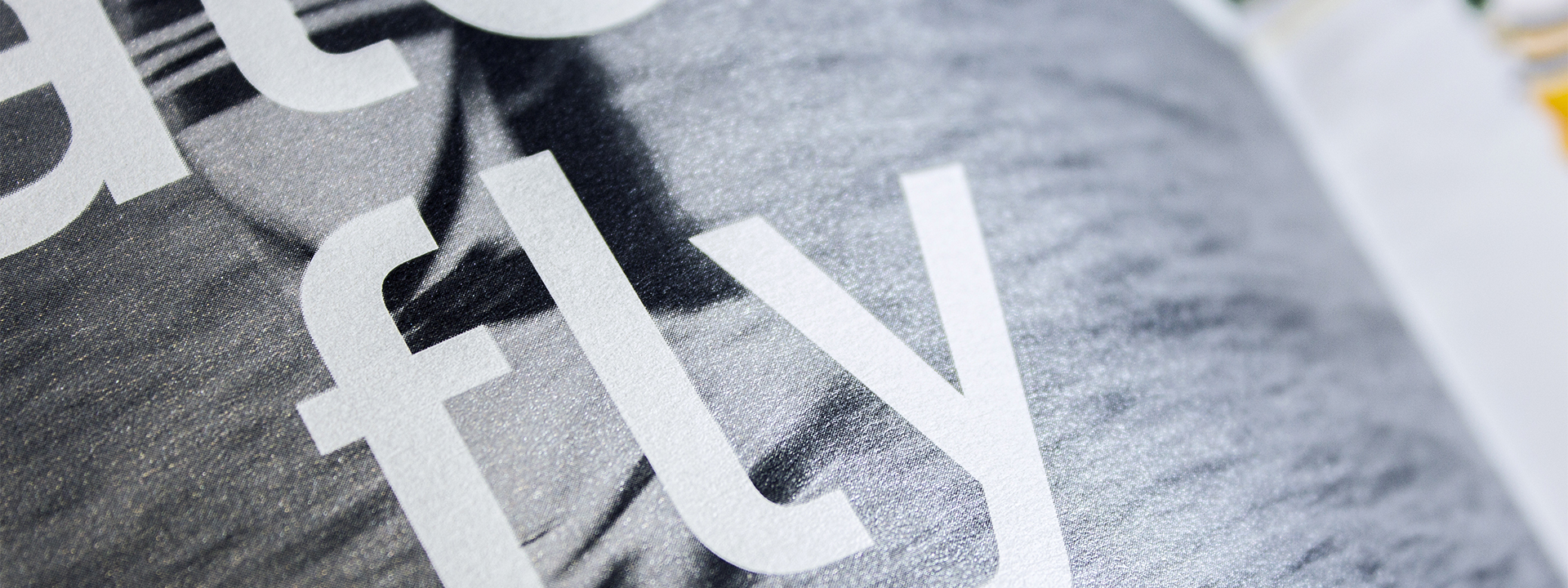
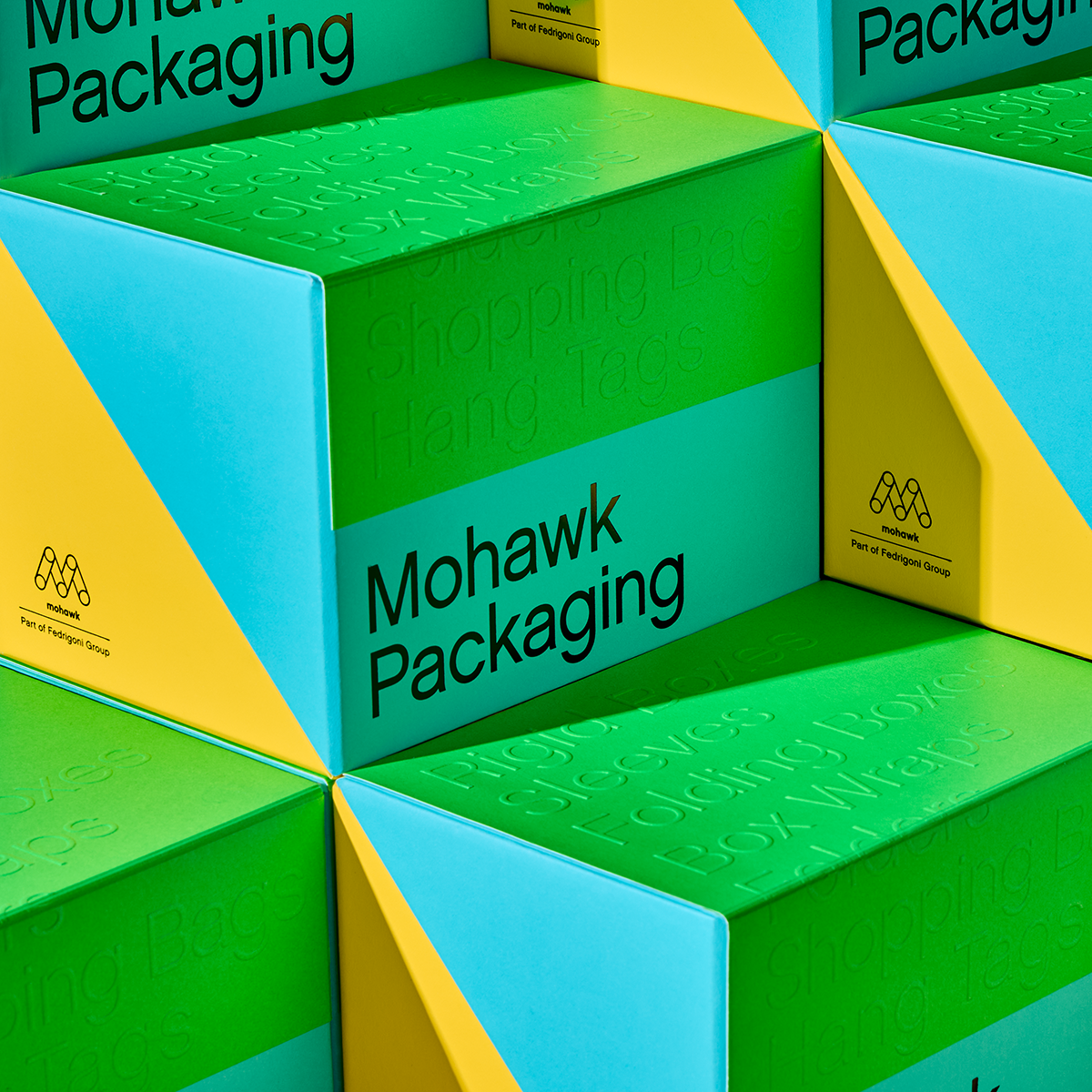
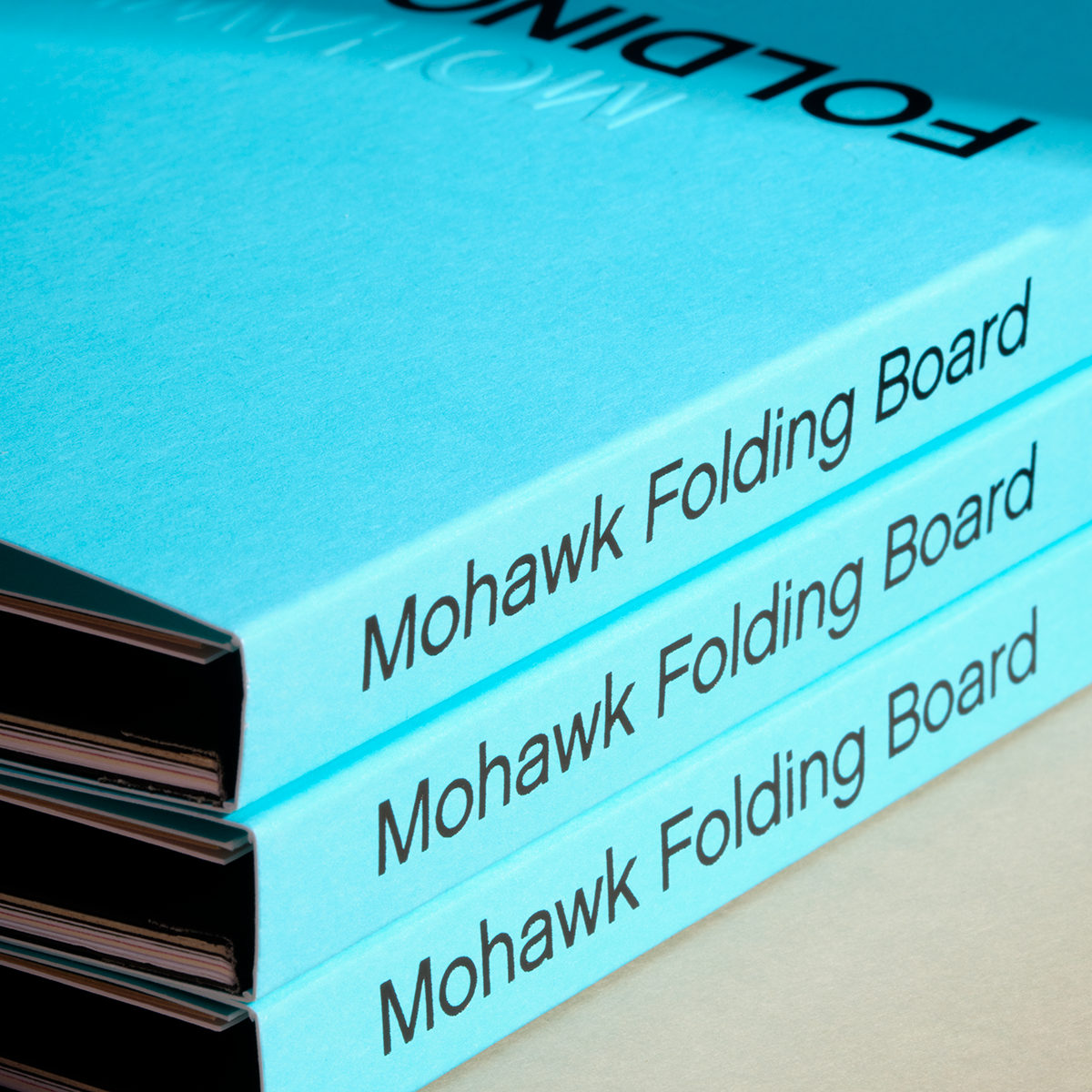
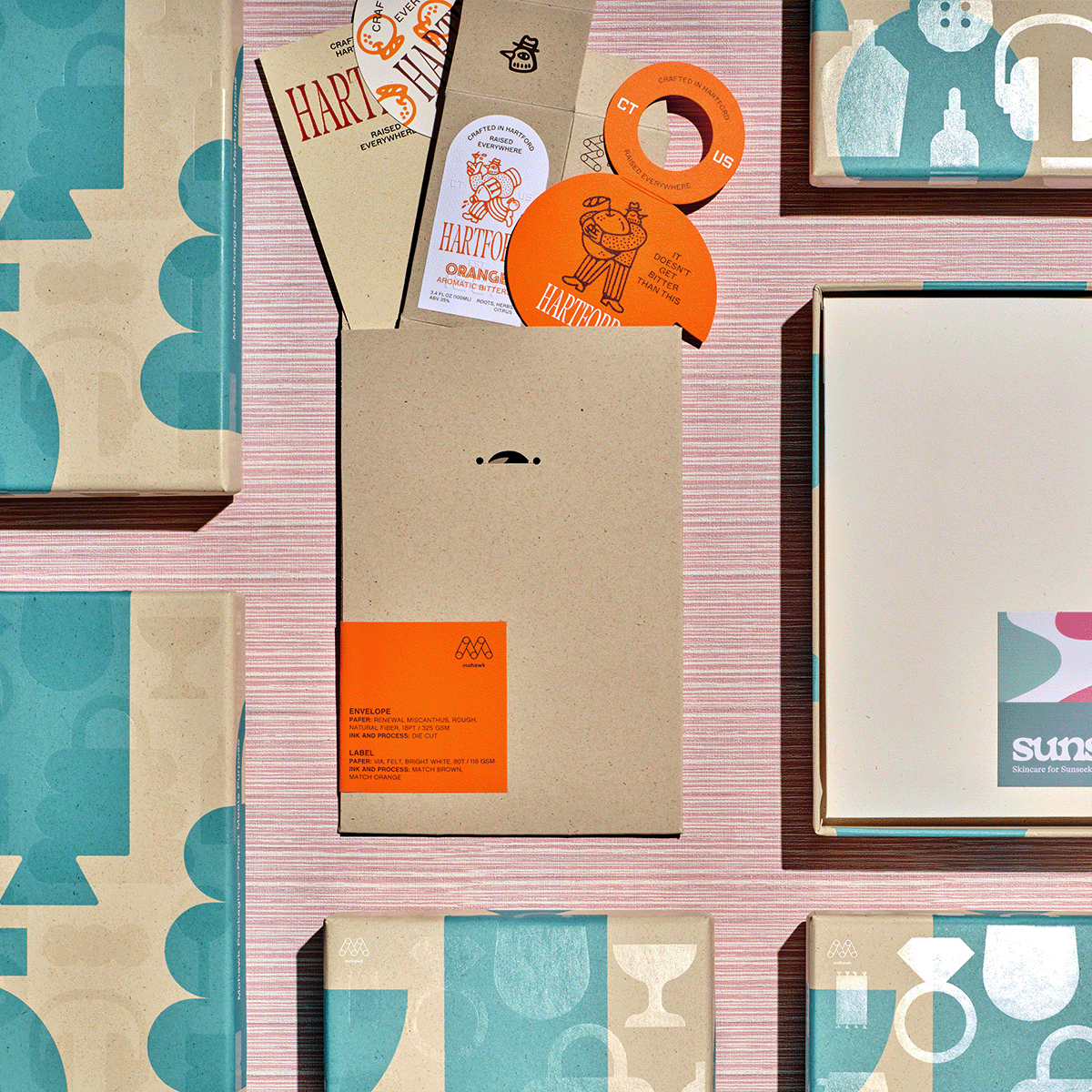
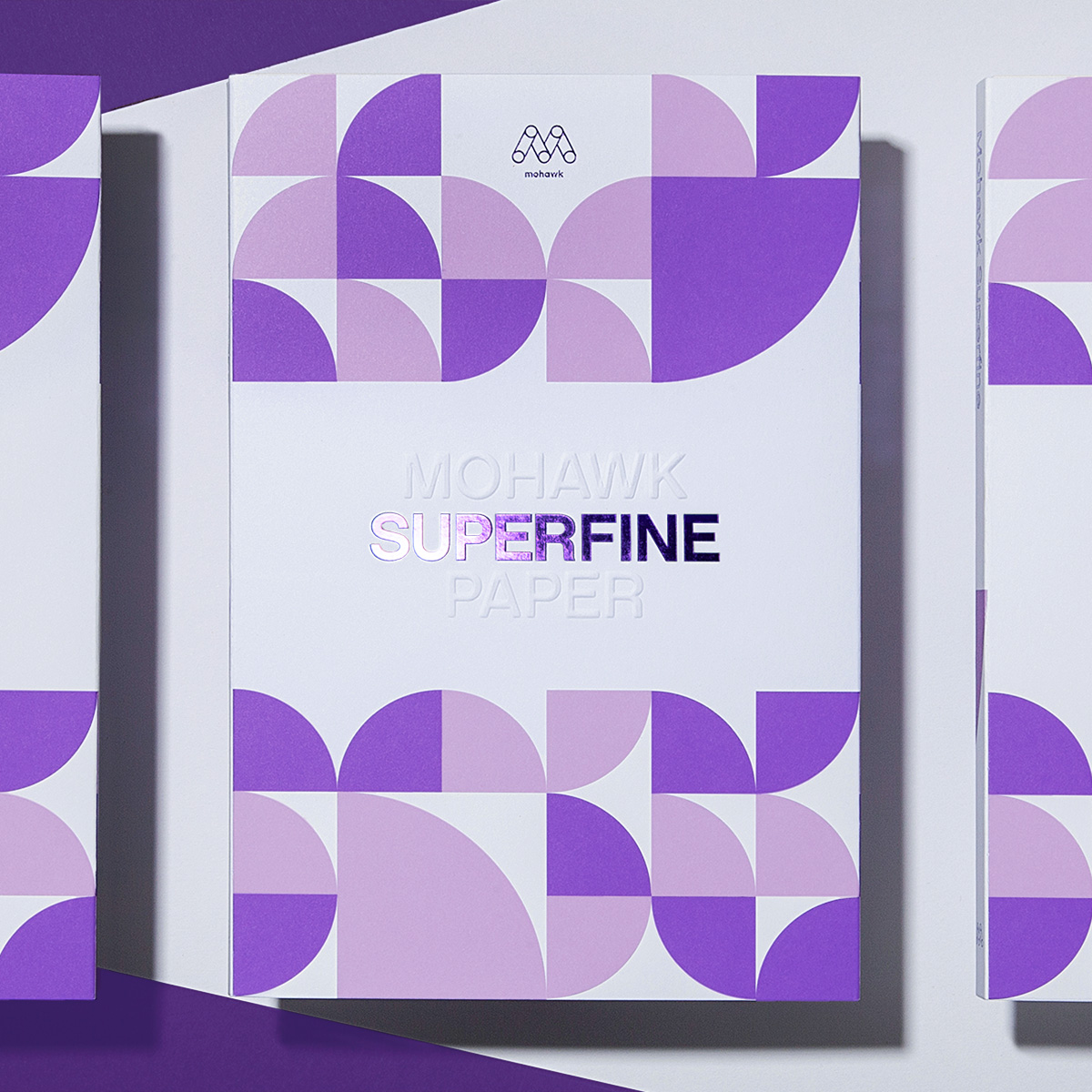
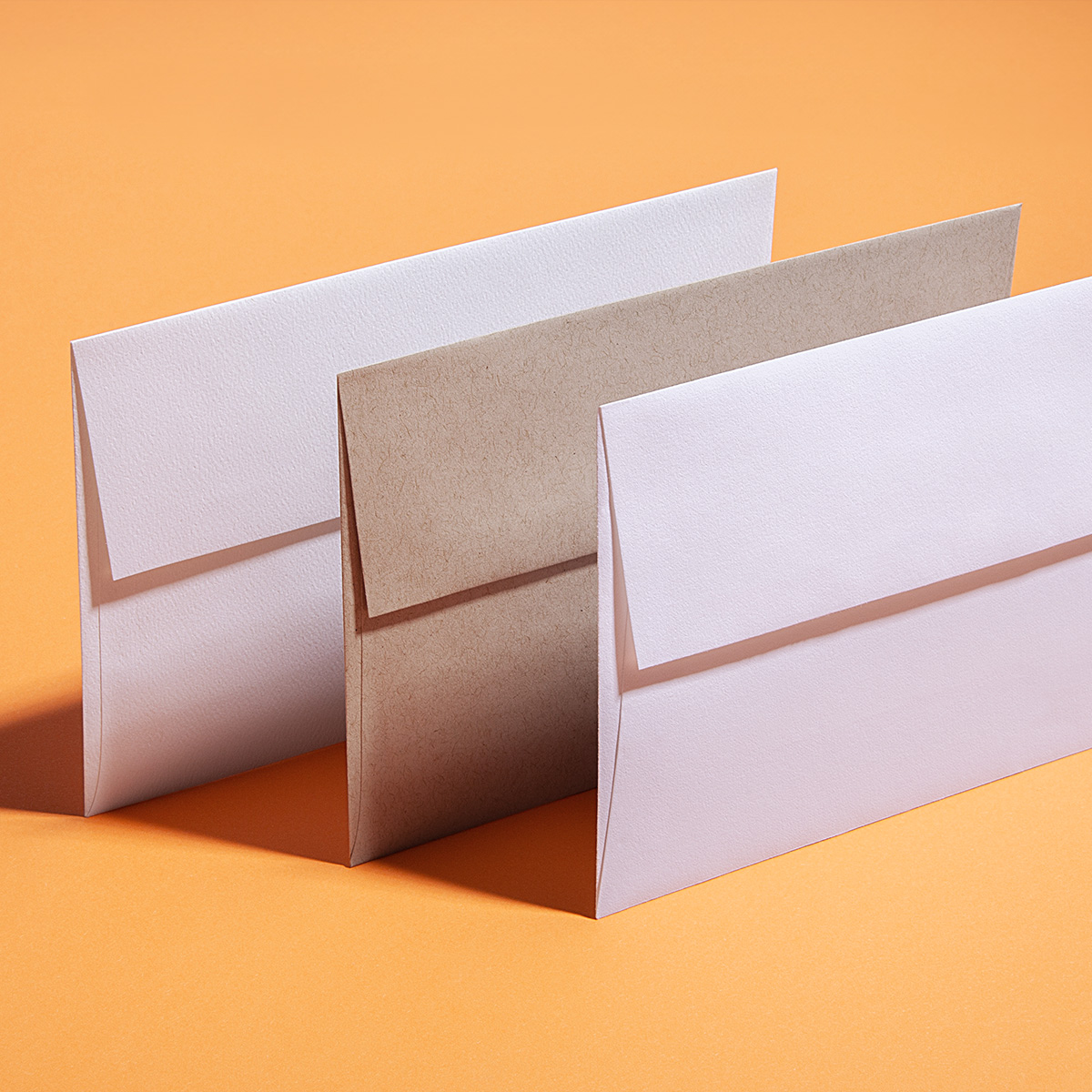
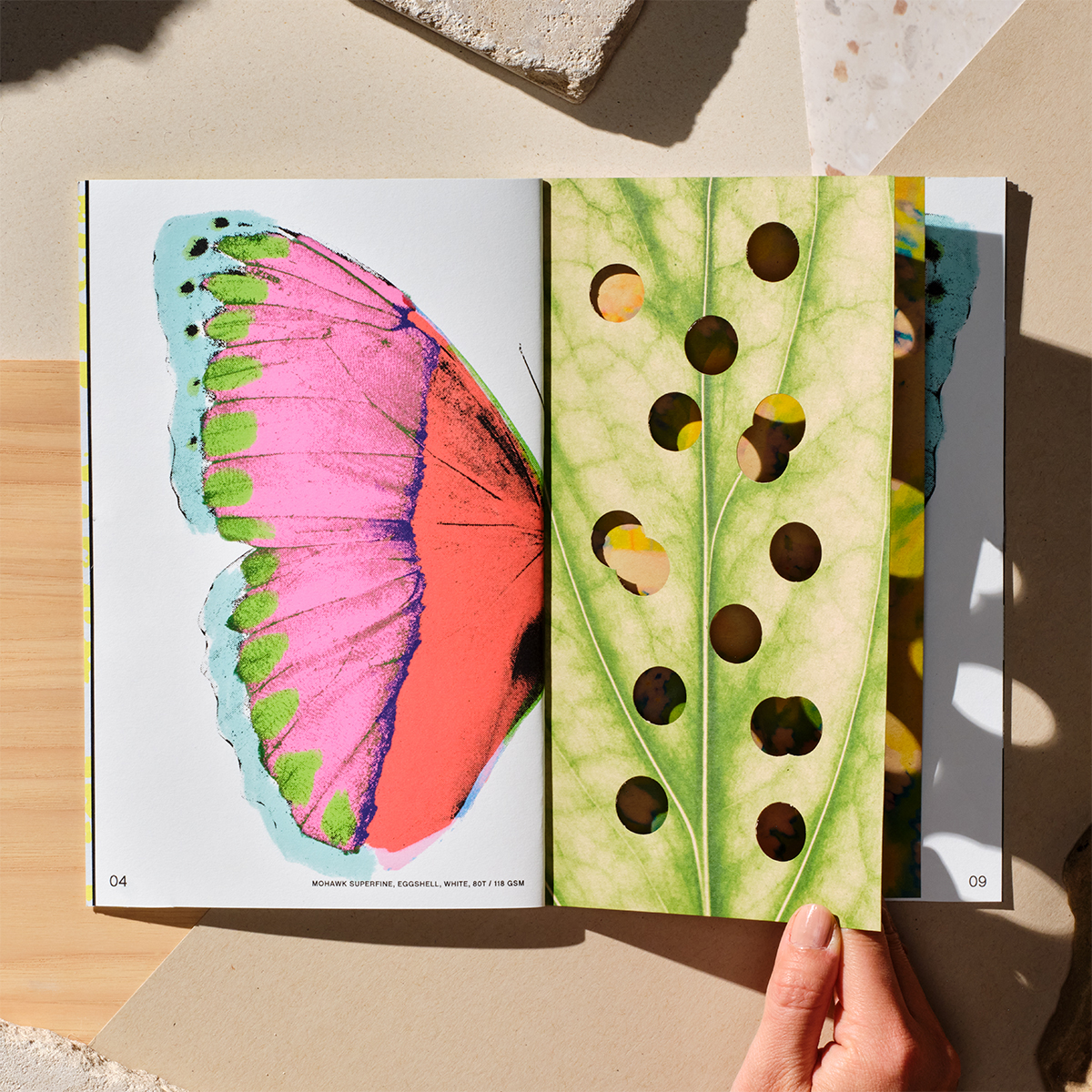
Pairing dramatically different textures can heighten sophistication and elevate your message, capturing your audiences’ attention through touch.
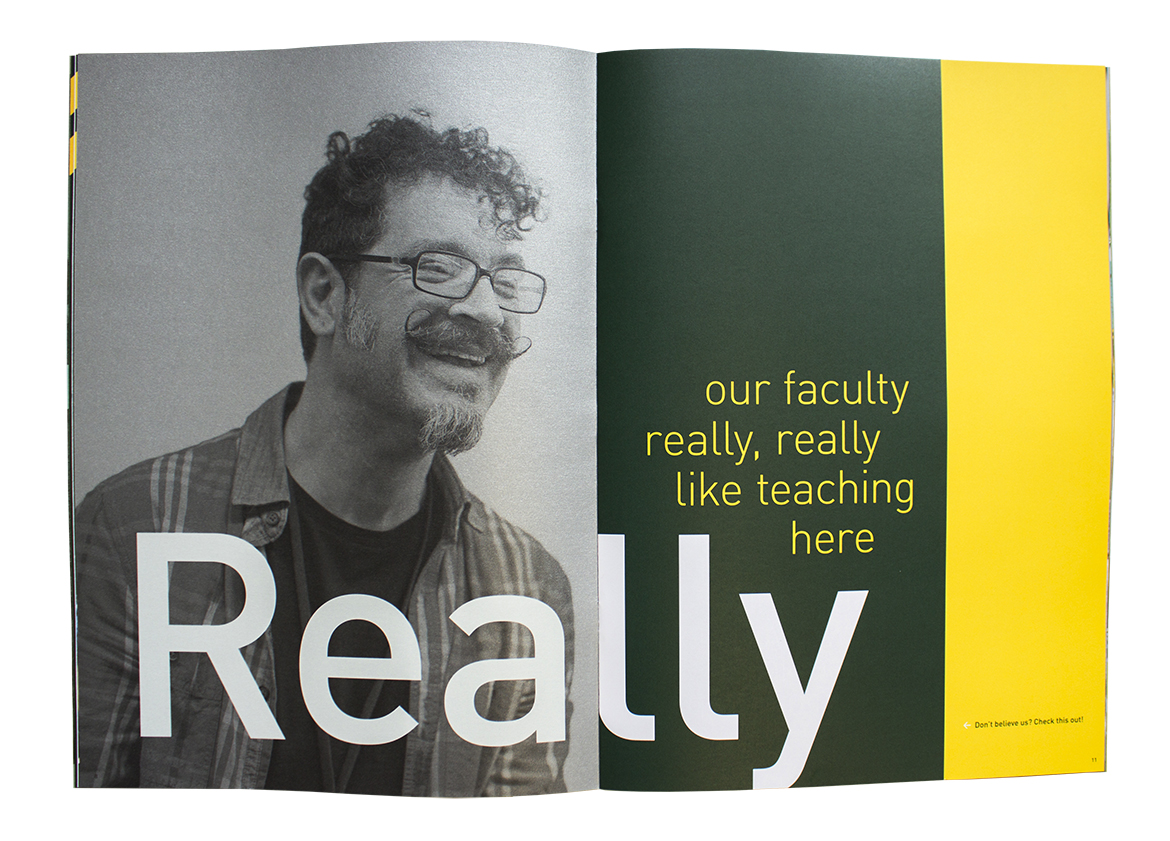
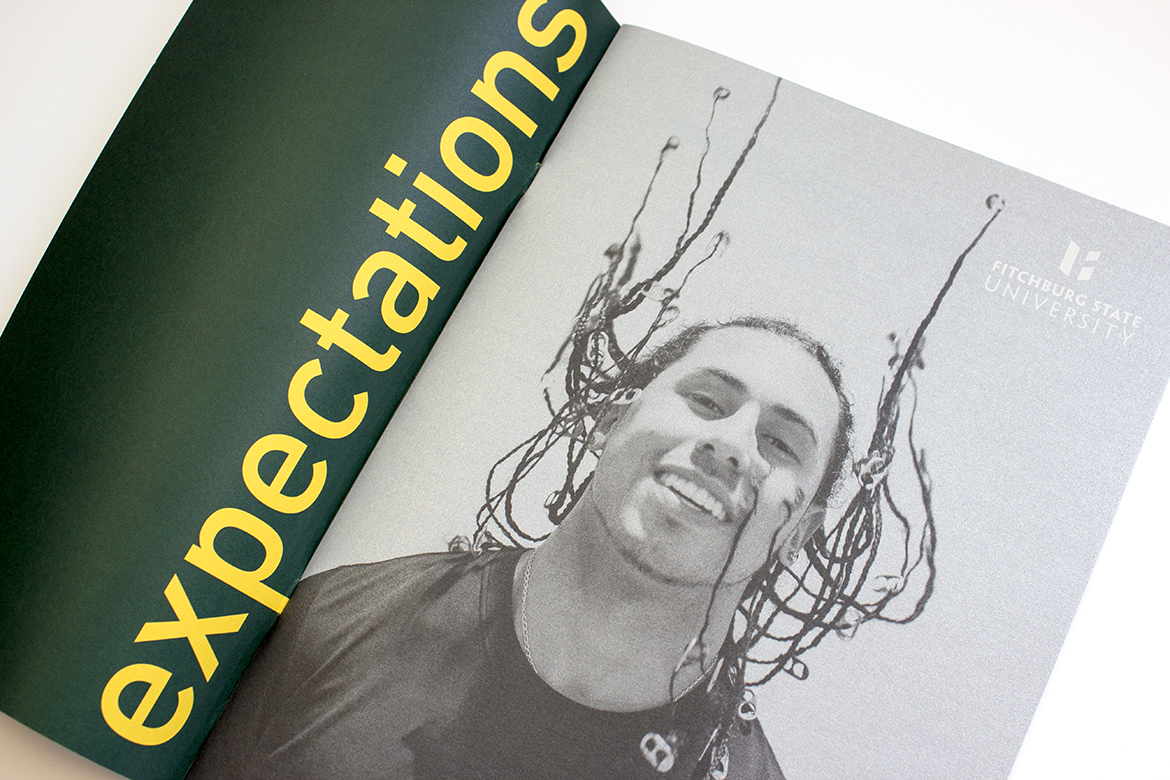

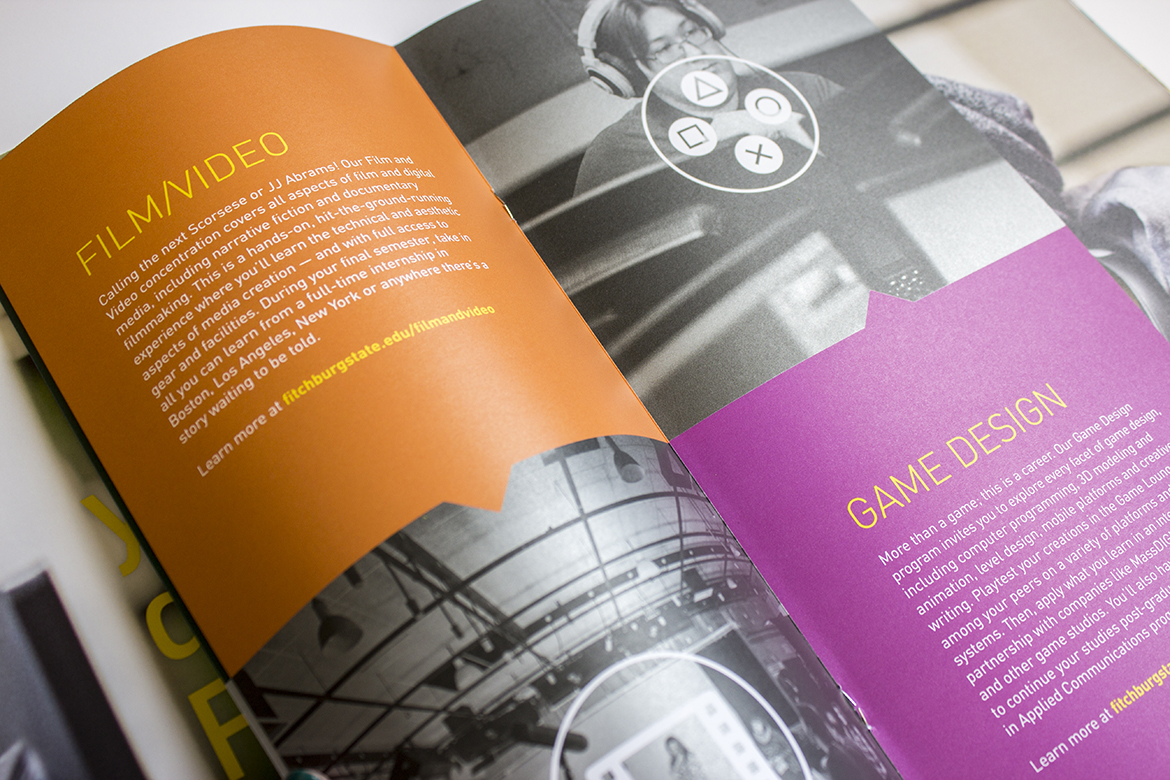
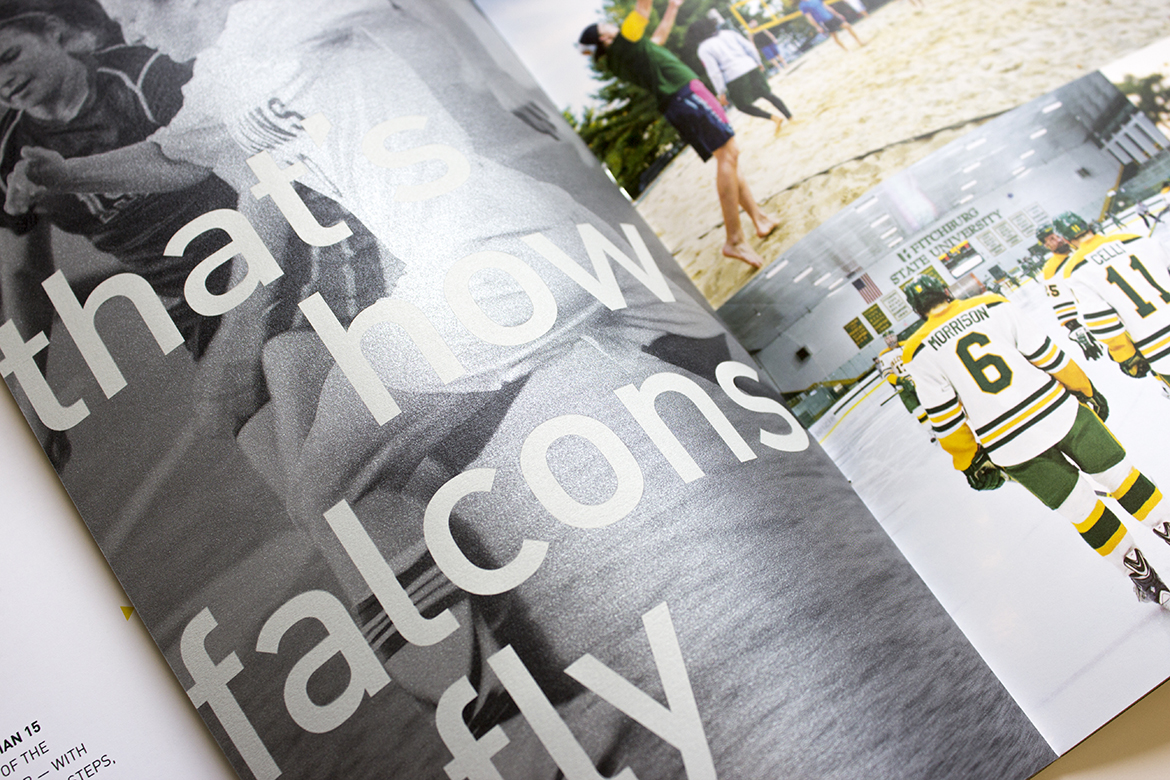
Tips on how to contrast texture:
- Avoid similarities. Find textures that are very different from one another. Otherwise, the shifts in texture may be too similar and go unnoticed.
- Strike a balance. Especially when striving for a thoughtful and refined feel, you’ll want to pair loud, eye-catching textures with those that are subtler.
- Turn up the volume. If over-the-top, no-holds-barred, undeniable character is what you’re after, then forgo the subtleties and pair two bold textures.
If you’re looking for inspiration, examples, and more tips on how to increase the impact of your next printed project through careful paper selection, click here to learn more and take your work from good to great.
Production Notes
Offset Printing
A commonly used printing technique in which the inked image is transferred from a plate to a rubber blanket, then to the printing surface. When used in combination with the lithographic process, which is based on the repulsion of oil and water, the offset technique employs a flat (planographic) image carrier on which the image to be printed obtains ink from ink rollers, while the non-printing area attracts a water-based film (called "fountain solution"), keeping the non-printing areas ink-free.
Materials Used

Suggested Articles

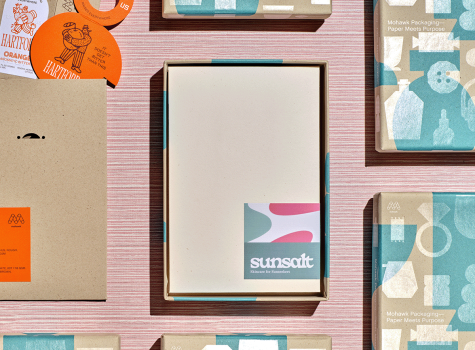
If Sunsalt is a sunlit afternoon, Hartford is the quiet hour that follows — unhurried, intentional, and crafted with care.
In a world saturated with digital impressions, the brands that endure are the ones you can feel.
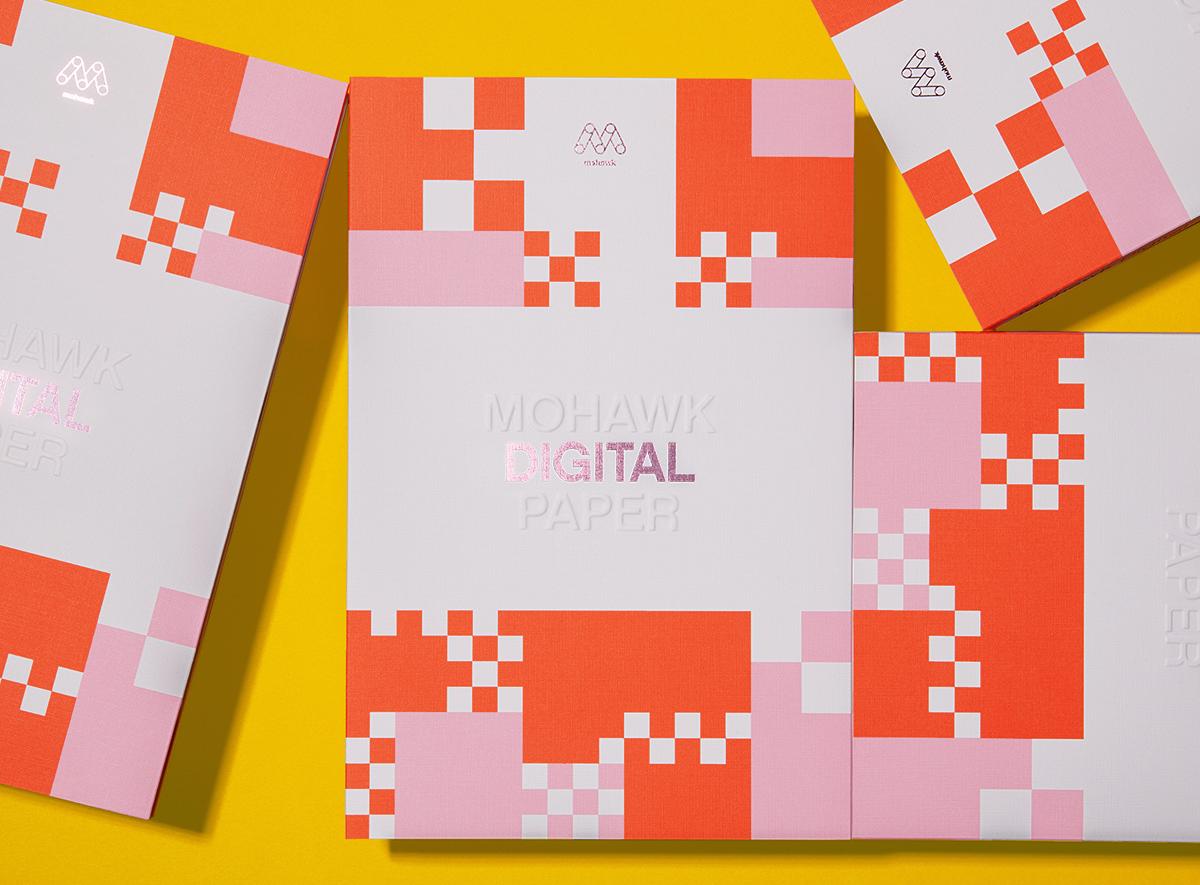
Today’s print projects demand speed, flexibility, and standout results. That’s where the Mohawk Digital Collection comes in.