




Combat Paper: “From uniform to pulp, battlefield to workshop, warrior to artist”

PICT0145croppedtosize

[Pam DeLuco] I met the founders of Combat PaperDrew Cameron, who is a veteran, and Drew Matott, who has an MFA in Book & Paper Arts — by serendipity at the San Francisco Center for the Book (SFCB) in July of 2007. Cameron had just pulped his uniform into paper, and he talked about how cathartic it was and how healing it would be to do this with other returning veterans. I was instantly smitten.

Three months later, I flew out to Columbia College in Chicago to learn to make paper with Drew Matott. Drew M. always says you’re not a real papermaker until you’ve taught someone else to make paper, so in March of 2008, I joined both Drews and 11 other Iraq veterans on the first Combat Paper West Coast tour and taught papermaking to other veterans.

The Combat Papermakers started out by making their paper into works of art, which have been exhibited in galleries across the country and abroad. Currently the Drews are traveling around the country with two Hollander beaters in a passenger van. Various universities host them, enabling them to conduct workshops in combat papermaking, with the hope that new leaders will emerge who can continue to teach the process.

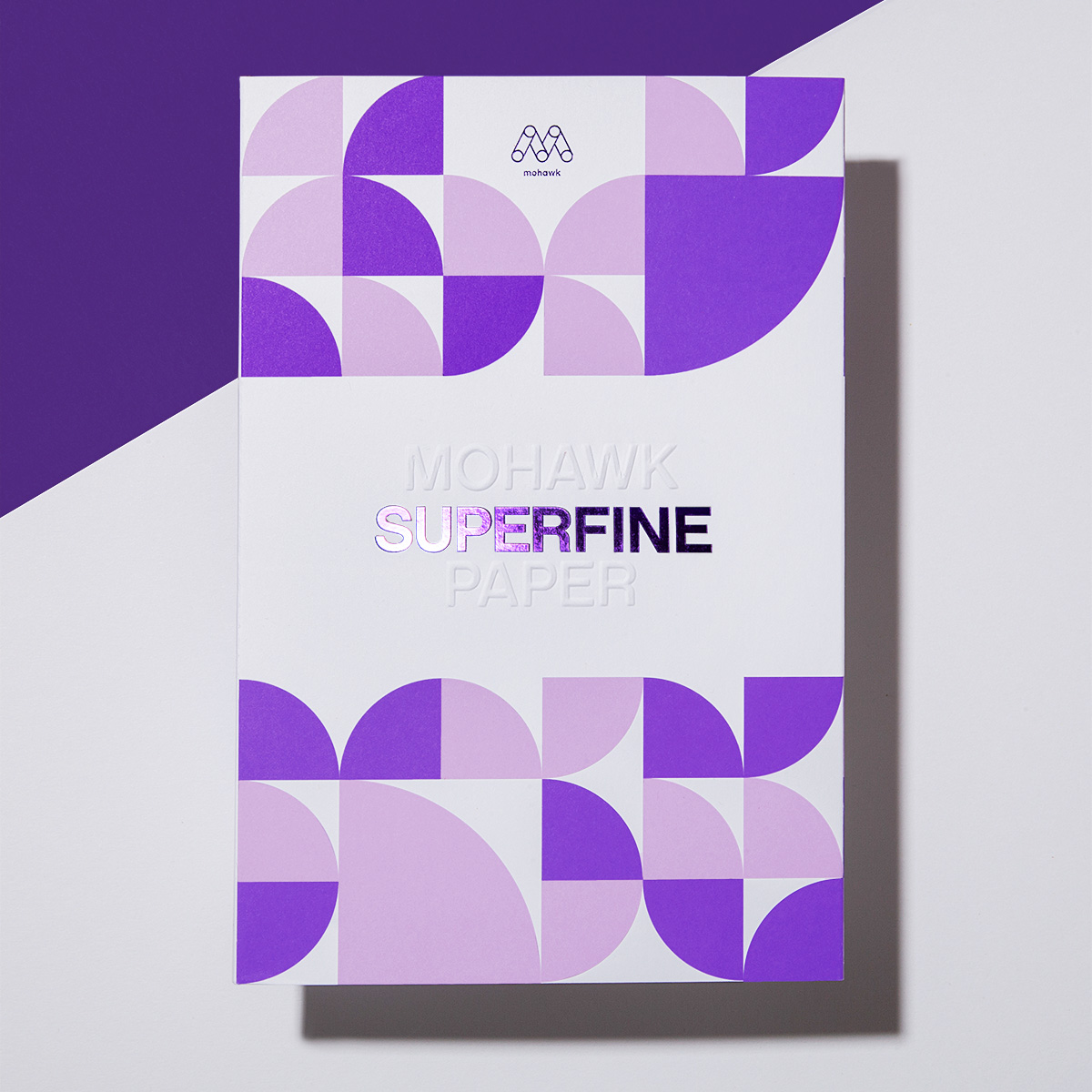
In 2009 I flew out to Burlington, Vt., to work with Nathan J. Lewis, a combat papermaker who wanted to publish his writings — and thus Combat Paper Press was formed. Working with Nate was probably one of the most meaningful experiences of my life. I’ve been a book artist for a number of years, and to be able to pass on the torch to someone whose voice really needs to be heard was very powerful. Together, Nate and I produced 30 copies of his collection of poems and essays I Hacky Sacked in Iraq, using combat paper containing his own uniform for the cover. The interior pages are laser-printed on Mohawk Superfine. The vets travel everywhere with typewriters, and Nathan typed his title on what became the spine of his book, which was bound at Green Door Studio in Burlington. The second edition was 250 copies, with letterpress-printed covers that I handset and printed at SFCB.

The second book in the Combat Paper Press imprint, The New Citizen Army, is a collection of poems by noted contemporary Irish poet Greg Delanty, who now spends much of the year in Burlington. The edition of 300 is laser-printed on Mohawk Superfine, with combat paper covers. I handset and letterpress-printed the front cover at SFCB, and Drew Cameron did the five-hole stab binding at Green Door Studio.

About the Combat Paper (see image at top of article): The pale gray paper was made at Arizona State University when John Risseeuw hosted the veterans on their first West Coast tour. It was Risseeuw’s work with Cambodian mine victims that inspired the Combat Paper Project. Now the combat papermakers have made paper with many of the big names in the paper world, and they were even featured on the cover of Hand Papermaking magazine last year. The blue paper — which, if you didn’t know otherwise, you might think is denim — is made with fibers from an Iraq vet’s dress blues.

By the way, the placement of the piece of American flag is random, but having the chunk of flag in the paper is intentional. The combat paper is always veterans’ uniforms plus some abaca fiber (to counteract the polyester in the paper and help the hydrogen bond), American flag, and whatever dollar bills people want to put in. Every batch also contains “lineage fiber” — fibers pulped from a previous batch of combat paper.

The khaki-colored paper in the top-of-post image is from an undershirt from Iraq. It is 100% T-shirt material and from one veteran. The lineage fiber in the photograph directly above includes fibers from this T-shirt. The camouflage scrap in the photo is probably from another war, as the desert uniforms are tan. The lineage fiber is in my possession from the last combat papermaking workshop in California. As I write this, a Hollander beater is on its way to me in San Francisco via Wisconsin. Once it is settled in, I plan to host future combat papermaking workshops, including some exclusively for women. The lineage fiber will seed these workshops, mixing together the voices of all the veterans who have found paper to be a means of reconciliation.

Pam DeLuco is production coordinator for the Small Plates Book editions at the San Francisco Center for the Book. She coordinated The Edible Schoolyard students’ project at the Levi’s Workshops in San Francisco in August 2010, and you can see her in action with the children here. Felt & Wire’s Alyson Kuhn met DeLuco at the Porchlight event at the Levi’s Workshops. Since then, DeLuco has taken to the storytelling platform like fiber to water.

Share Post
Recommended

Comments (2)

  1. Posted by Tom Ingalls on 10.7.10 at 1:44 pm

    Pam & friends,
    This paper looks amazing
    can’t wait to hold it in my hand.
    Reminded me of Cranes Money paper
    that we used for SF Center for the Book
    show back in 2000, RSVP.
    Ground up old money!
    This paper, Combat, not only looks
    beautiful but resonates with content
    and identity.

    Tom Ingalls 10.7.10

  2. Posted by paperlover on 10.7.10 at 3:04 pm

    What an amazing story. Any chance we could offer the books on Felt and Wire Shop?

Leave a Reply

What's this - paper+iPhone living happily together? Announce #DODOnotes - a new product from @mohawkpaper + @DODOsays ow.ly/l6r8p @feltandwire - View on Twitter
[BLOG] Introducing DODOnotes: The product is ingeniously simple. A notepad that is a partner to your iPhone. A... bit.ly/16kZWAv @feltandwire - View on Twitter
Excited to announce the brand new #DODOnotes from @DODOsays + @mohawkpaper - ow.ly/l5V5N @feltandwire - View on Twitter
Submit a Topic or Article
We want to hear from you!
Send us your ideas for future articles, past inspirations, and present insights.
Submit a Topic or Article